
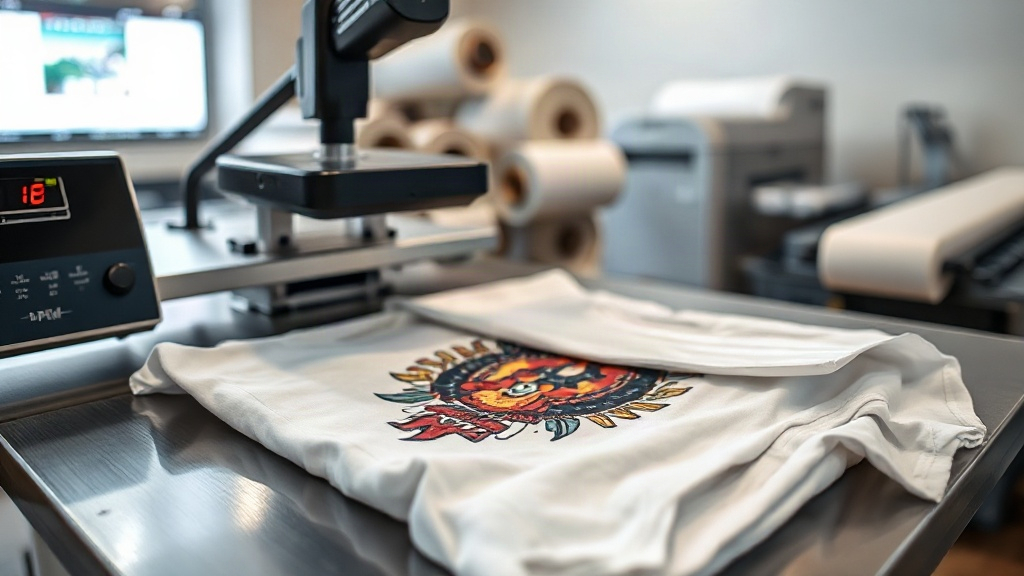
When you first hear about DTF Transfers, you might picture a complicated industrial process reserved for big factories. But the truth is, DTF (Direct to Film) printing has become one of the most accessible and versatile ways to put custom designs on almost any fabric. Whether you're a small business owner, a hobbyist, or someone who just wants to make personalized gifts, understanding how DTF transfers work can open up a world of creative possibilities. In this guide, I'll walk you through everything you need to know, from the basics of the technology to practical tips that will help you achieve professional-looking results right from your first try.
What Are DTF Transfers and How Do They Work?
DTF transfers are essentially printed designs on a special film that you apply to fabric using a heat press. The process starts with a digital printer that uses pigment-based inks to print your design onto a PET film. Then, a powder adhesive (often called hot melt powder) is applied to the wet ink. After shaking off the excess powder, the film is cured, and the design is ready to be transferred. When you press it onto a garment, the adhesive melts and bonds with the fabric fibers, while the ink sits on top, creating a vibrant, durable print.
What makes DTF stand out from other methods like screen printing or vinyl is its ability to handle full-color, highly detailed designs without the need for color separations or multiple screens. Plus, it works on a wide range of fabrics, including cotton, polyester, blends, and even nylon. That versatility is why DTF has become a favorite among crafters and small businesses alike.
The Role of the Film and Powder
The PET film is more than just a carrier; it's designed to release the design cleanly when heated. The powder adhesive is equally important: it determines how well the transfer sticks to the fabric and how long it lasts. Not all powders are created equal, so if you're buying pre-made DTF transfers, make sure they come from a reputable source that uses high-quality materials. If you're printing your own, experiment with different powders to see which gives you the best feel and durability.
Why Choose DTF Transfers Over Other Printing Methods?
There are several reasons why DTF has gained so much popularity in recent years. First, it's incredibly cost-effective for short runs. Unlike screen printing, which requires a separate screen for each color, DTF lets you print one-off designs or small batches without breaking the bank. Second, the color vibrancy is outstanding. DTF inks produce bright, opaque colors that pop on both light and dark garments. Third, the detail is impeccable: you can print fine lines, gradients, and photographic images with ease.
Another big advantage is the lack of weeding. If you've ever worked with heat transfer vinyl (HTV), you know how tedious weeding can be, especially for intricate designs. With DTF, there's no weeding at all. You simply press the transfer and peel the film off. That saves a ton of time and reduces waste.
Finally, DTF transfers are known for their durability. When applied correctly, they can withstand dozens of washes without fading, cracking, or peeling. That makes them ideal for items that get a lot of wear, like t-shirts, hoodies, and tote bags.
Step-by-Step Guide to Applying DTF Transfers
Applying a DTF transfer is straightforward, but following the right steps is key to getting a professional finish. Here's how to do it:
- Prepare your workspace: Set up your heat press on a sturdy surface and make sure it's stable. Preheat the press to the recommended temperature, usually between 300°F and 325°F (150°C to 160°C).
- Pre-press the garment: This step removes moisture and wrinkles from the fabric, ensuring a smooth surface for the transfer. Press for about 5-10 seconds.
- Position the transfer: Place the DTF transfer on the garment with the printed side facing up. If your transfer has a clear carrier film, the design should be touching the fabric.
- Press: Apply medium to firm pressure for 10-15 seconds. The exact time and temperature can vary depending on the film and powder used, so always check the instructions from your supplier.
- Peel: After pressing, wait a few seconds for the transfer to cool slightly, then peel off the film in a smooth, consistent motion. You can do a hot peel or cold peel, depending on the film's recommendations.
- Post-press (optional): Some people like to cover the design with a Teflon sheet or parchment paper and press again for a few seconds to further embed the ink into the fabric. This can improve wash durability.
And that's it! With a little practice, you'll be able to apply DTF transfers in under a minute per garment.
Common Mistakes to Avoid
Even though DTF is forgiving, there are a few pitfalls that can ruin your results. Here are the most common ones:
- Not pre-pressing: Skipping this step can lead to moisture trapped under the transfer, causing bubbling or poor adhesion.
- Using the wrong pressure: Too little pressure and the transfer won't stick; too much and the ink can spread or the film can wrinkle.
- Peeling too soon or too late: Always follow the film's instructions. Peeling a cold-peel film while it's still hot can cause the design to crack.
- Ignoring fabric type: While DTF works on many fabrics, some (like certain nylons) may require a lower temperature or a special adhesive powder.
Choosing the Right DTF Supplies
The quality of your DTF transfers depends heavily on the supplies you use. Here's what to look for:
- Film: Look for double-sided matte PET film designed specifically for DTF. It should have a consistent coating that releases the ink cleanly.
- Ink: Use DTF pigment inks, not regular inkjet inks. They are formulated to be opaque and flexible.
- Powder: There are different types of hot melt powder, such as TPU and polyamide. TPU is softer and more elastic, making it great for stretchy fabrics.
- Heat press: A good heat press with even pressure and accurate temperature control is essential. Clamshell or swing-away presses both work, but swing-away is often preferred for DTF because it allows for more even pressure.
If you're not ready to invest in a printer and curing oven, you can always buy pre-made DTF transfers from a supplier. That way, you can focus on applying them and building your brand.
DTF Transfers vs. Other Decoration Methods
To help you decide if DTF is right for your project, let's compare it to some other popular methods:
- Screen Printing: Better for large orders of simple designs, but DTF wins for complex, multi-color designs and small batches.
- HTV: Great for single-color, simple shapes, but requires weeding and doesn't handle gradients well. DTF is superior for detailed artwork.
- Dye Sublimation: Only works on polyester and requires a light-colored substrate. DTF works on almost any fabric and color.
- Direct to Garment (DTG): Good for cotton, but often requires pre-treatment and can be less vibrant on dark shirts. DTF is more versatile and often more durable.
As you can see, DTF offers a unique combination of flexibility, quality, and cost-effectiveness that makes it a top choice for many.
Frequently Asked Questions About DTF Transfers
How long do DTF transfers last?
With proper application and care, DTF transfers can last as long as the garment itself. They typically withstand 50+ washes without significant fading or cracking. To maximize longevity, wash the garment inside out in cold water and avoid harsh detergents or high heat in the dryer.
Can I use DTF transfers on dark shirts?
Absolutely! One of the biggest advantages of DTF is that it prints a white ink layer underneath the colors, so the design remains vibrant on dark fabrics. There's no need for a separate white underbase like in screen printing.
Do I need a special printer for DTF?
Yes, you need a DTF printer that uses pigment inks and is designed to print on PET film. However, if you don't want to invest in a printer, you can buy pre-printed transfers from many suppliers and just apply them with a heat press.
What fabrics work best with DTF?
DTF works on a wide range of fabrics, including cotton, polyester, cotton-poly blends, nylon, and even leather. It's not recommended for fabrics with a heavy texture or those that can't withstand heat, like some synthetics with low melting points.
How do I store DTF transfers?
Store unused DTF transfers in a cool, dry place away from direct sunlight. Keep them flat or rolled, not folded, to prevent creases. If stored properly, they can last for several months.
DTF transfers have revolutionized the way we decorate apparel, offering unmatched versatility and quality. Whether you're just starting out or looking to expand your offerings, mastering DTF can set you apart. Remember, practice makes perfect, so don't be afraid to experiment with different fabrics, pressures, and techniques. With the right supplies and a bit of patience, you'll be creating stunning, long-lasting prints in no time.