
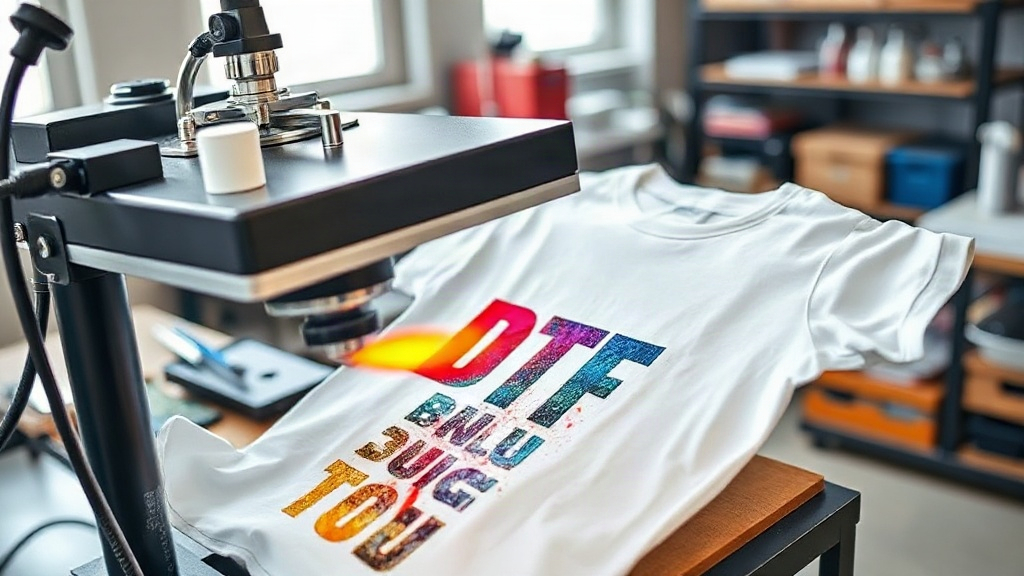
If you've been exploring custom apparel printing, you've likely encountered DTF Transfers. This technology is rapidly gaining popularity for its versatility and vibrant results. Unlike traditional methods, DTF transfers allow you to print full-color designs on a wide range of fabrics with minimal setup. In this guide, I'll walk you through everything you need to know to get started with DTF transfers, from understanding the process to applying them like a pro.
What Are DTF Transfers?
DTF stands for Direct to Film. It's a printing method where your design is printed onto a special film, coated with a adhesive powder, and then heat-pressed onto fabric. The magic lies in the adhesive powder, which melts and bonds the ink to the fabric, creating a durable, stretchable print. Unlike DTG (Direct to Garment) or screen printing, DTF transfers work on almost any fabric, including cotton, polyester, blends, and even leather. This makes it a game-changer for small businesses and hobbyists who want to offer diverse products without investing in multiple printing techniques.
Why Choose DTF Transfers?
There are several reasons why DTF transfers have become a go-to for many printers. First, the color vibrancy is exceptional. The inks used in DTF printing are vivid and can reproduce intricate details and gradients with ease. Second, the process is relatively simple and requires minimal equipment: a printer, film, powder, and a heat press. Third, DTF transfers are incredibly durable. When applied correctly, they withstand repeated washing without cracking or fading. Finally, DTF transfers are cost-effective for short runs. You don't need screens or plates, so you can print one-off designs or small batches without breaking the bank.
DTF vs. Other Printing Methods
Compared to screen printing, DTF transfers have lower setup costs and can handle complex designs without multiple screens. Unlike DTG, DTF doesn't require pre-treatment and works on dark and light fabrics equally well. Vinyl printing, while simple, can't achieve the same level of detail or color blending. DTF transfers combine the best of both worlds: the detail of DTG and the versatility of vinyl.
How DTF Transfers Work: Step by Step
Understanding the DTF process helps you troubleshoot and achieve consistent results. Here's a breakdown of the key steps:
- Design Preparation: Create your artwork in a graphic design software. Ensure it's mirrored (flipped horizontally) before printing, as the film will be pressed face-down onto the fabric.
- Printing: Use a DTF printer with specially formulated DTF inks. The printer lays down a layer of white ink (for opacity) followed by CMYK colors. The design is printed onto a PET film.
- Powder Application: While the ink is still wet, apply a thermoplastic adhesive powder evenly over the print. Shake off excess powder.
- Curing: The film with powder goes into a curing oven or under a heat press to melt the powder. This creates a solid, adhesive layer.
- Transfer: The cured film is placed on the fabric and heat-pressed. The adhesive melts, bonding the design to the fabric. After cooling, peel off the film.
Each step requires attention to detail, but with practice, you'll develop a rhythm.
Choosing the Right Materials
Not all DTF films and powders are created equal. Quality supplies are crucial for professional results. Look for films that are coated for DTF printing; they should be able to withstand the heat and release the ink cleanly. The adhesive powder should be fine and consistent. Inks must be DTF-specific; using regular inks will clog your printer and yield poor results. At DTF Press Max, we offer a range of tested and approved supplies to ensure your success.
Fabric Compatibility
One of the biggest advantages of DTF transfers is their compatibility with various fabrics. Cotton, polyester, cotton-poly blends, nylon, and even leather can be decorated. However, for stretchy fabrics like spandex, you'll need a powder with high elasticity to prevent cracking. Always test on a swatch before full production.
Applying DTF Transfers: Tips for Flawless Results
Heat pressing is where the magic happens. Here are some expert tips to get it right:
- Temperature: Set your heat press to 325°F (160°C) for most fabrics. Adjust for heat-sensitive materials.
- Pressure: Use medium to high pressure to ensure even adhesion.
- Time: Press for 15-20 seconds. Too short, and the adhesive won't fully melt; too long, and you risk scorching.
- Peel: Wait for the transfer to cool completely before peeling (cold peel). This prevents the design from stretching or lifting.
- Post-Press: For added durability, cover the design with a Teflon sheet and press again for 5-10 seconds.
Practice on scrap fabric to dial in your settings. Every heat press behaves slightly differently, so calibration is key.
Common Mistakes and How to Avoid Them
Even seasoned printers make mistakes. Here are a few common pitfalls and their solutions:
- Insufficient Powder: If you don't apply enough powder, the design won't adhere properly. Ensure even coverage.
- Uneven Pressure: This causes parts of the design to peel. Check your heat press for consistent pressure across the platen.
- Wrong Peel Time: Peeling too early can ruin the transfer. Always cold peel unless your film specifies otherwise.
- Incompatible Fabric: Some fabrics like treated nylon may require special powders or lower temperatures. Always test.
Frequently Asked Questions
What fabrics can I use with DTF transfers?
DTF transfers work on cotton, polyester, blends, nylon, leather, and more. They are not recommended for fabrics with heavy coatings or finishes that repel adhesives.
How long do DTF transfers last?
When applied correctly, DTF transfers can last as long as the garment itself. They withstand repeated washing without fading or cracking if you follow care instructions.
Do I need a special printer for DTF?
Yes, you need a DTF printer that uses DTF inks and can handle PET film. Converted printers are available, but dedicated DTF printers offer better reliability.
Can I stretch the fabric after applying a DTF transfer?
Yes, if you use a high-elasticity powder, the transfer will stretch with the fabric without cracking. This is great for activewear.
How do I wash garments with DTF transfers?
Turn the garment inside out and machine wash cold. Avoid bleach and fabric softeners. Tumble dry low or hang dry. Iron on the reverse side if needed.
DTF transfers are a versatile and profitable addition to any printing business. With the right knowledge and supplies, you can produce stunning, durable apparel that delights customers. For high-quality DTF supplies and expert advice, visit DTF Press Max at dtfpressmax.com.