
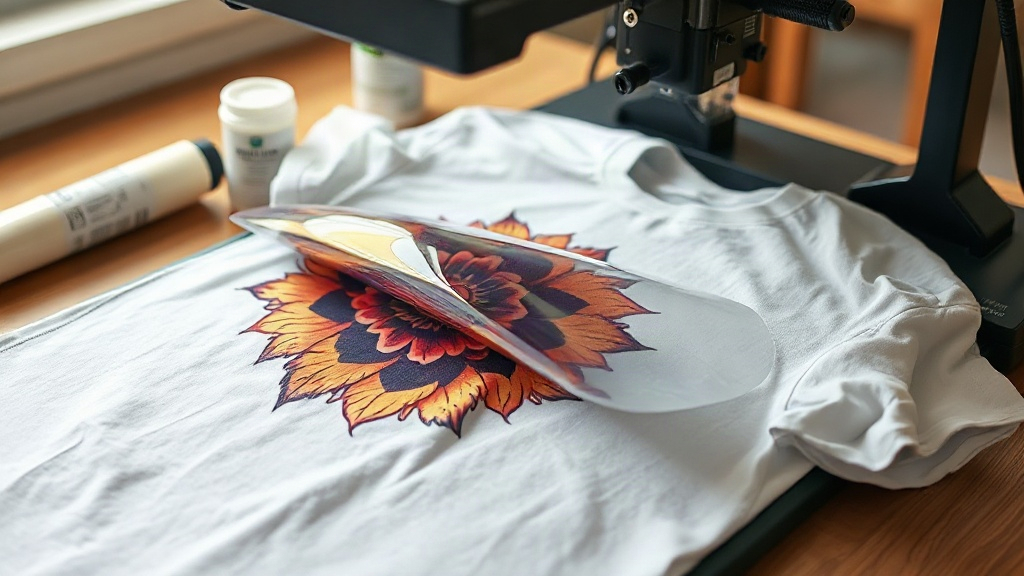
When I first started experimenting with custom apparel printing, I was overwhelmed by the options: screen printing, heat transfer vinyl, sublimation, and more. But one method that consistently delivered vibrant, detailed designs on a wide range of fabrics was DTF Transfers. Unlike traditional methods that require multiple steps or specific materials, DTF transfers offer a streamlined process that yields professional results even for beginners. In this guide, I'll share what I've learned from years of hands-on experience, so you can make informed decisions and achieve outstanding outcomes.
What Are DTF Transfers?
DTF stands for Direct-to-Film. It's a printing technology where your design is printed onto a special film, coated with a adhesive powder, and then heat-pressed onto the fabric. The result is a soft, stretchable, and highly durable print that bonds permanently with the material. Unlike DTG (Direct-to-Garment) which prints directly onto the shirt, DTF transfers can be applied to almost any fabric, including cotton, polyester, blends, and even nylon. This versatility makes DTF Transfers a favorite among small business owners, crafters, and DIY enthusiasts.
How DTF Transfers Work: A Step-by-Step Overview
Understanding the process helps you troubleshoot issues and optimize your results. Here's a breakdown of the key stages:
- Design Preparation: Your artwork is prepared digitally, with colors adjusted for the CMYK+White ink set. White ink is crucial because it acts as a base, allowing the colors to pop on dark fabrics.
- Printing: A specialized DTF printer prints the design onto a PET film. The printer lays down white ink first (if needed), then color inks.
- Powdering: While the ink is still wet, a hot-melt adhesive powder is applied evenly over the print. Excess powder is shaken off.
- Curing: The film passes through a heat source (often a conveyor oven) to melt the powder, creating a dry, tack-free surface.
- Transfer: The film is placed on the fabric and heat-pressed. The adhesive melts, bonding the ink to the fabric. After cooling, the film is peeled away, leaving the design behind.
Each step requires attention to detail, but once you dial in your settings, the process becomes second nature.
Why Choose DTF Transfers Over Other Methods?
There are several compelling reasons to consider DTF Transfers for your printing needs:
- Fabric Versatility: Works on cotton, polyester, blends, leather, and more. No need for pre-treatment like DTG.
- Durability: When applied correctly, DTF prints withstand dozens of washes without fading or cracking.
- Detail and Color: Achieve fine details, gradients, and vibrant colors that rival screen printing.
- Cost-Effective for Small Runs: No setup fees or minimum orders, ideal for one-off items or small batches.
- Stretchability: The print moves with the fabric, making it suitable for activewear and stretchy materials.
I've personally tested DTF transfers on everything from 100% cotton t-shirts to polyester performance wear, and the results have been consistently impressive.
Choosing Quality DTF Transfers
Not all DTF transfers are created equal. The quality of the film, ink, and powder significantly impacts the final outcome. Here's what to look for:
Ink and Film Quality
High-quality DTF inks are vibrant, resistant to fading, and compatible with a range of fabrics. The film should be thin yet strong enough to hold the ink without curling during printing. Cheaper films often cause jams or poor transfer. I recommend sourcing from reputable suppliers like DTF Press Max, which offers reliable products tested in real-world conditions.
Adhesive Powder
The powder is the unsung hero of DTF transfers. It determines how well the print adheres and how long it lasts. Look for finely milled, consistent powder that melts evenly. A poor-quality powder can lead to clogged nozzles or weak bonds.
Printer and Settings
If you're printing your own transfers, your printer and settings matter. Ensure your printer is well-maintained and use the recommended settings for your film and ink. For those buying pre-printed transfers, check reviews and ask for samples to test durability.
How to Apply DTF Transfers for Best Results
Application is where many people run into trouble. Follow these steps to ensure a strong, long-lasting bond:
- Preheat the Fabric: This removes moisture and wrinkles, ensuring a smooth surface.
- Position the Transfer: Place the film with the design facing up. Use heat tape if needed to prevent shifting.
- Heat Press: Set your press to the recommended temperature (usually 300-325°F) and pressure (medium to firm). Press for 10-15 seconds.
- Peel: Wait for the transfer to cool completely (cold peel) or peel while warm (hot peel) depending on the film type. Most DTF transfers are cold peel.
- Post-Press: For extra durability, press again for a few seconds with a cover sheet.
I've found that using a cover sheet during the second press prevents scorching and improves washability.
Common Mistakes to Avoid
Even with a great product, mistakes happen. Here are pitfalls I've encountered and how to avoid them:
- Insufficient Pressure: Leads to poor adhesion and early peeling. Always use firm pressure.
- Wrong Temperature: Too hot can scorch the fabric or melt the film; too cold means the adhesive won't activate.
- Peeling Too Soon or Too Late: Follow the film's instructions. Cold peel means wait until it's completely cool.
- Ignoring Fabric Type: Some fabrics require different settings. Always test on a scrap first.
- Poor Storage: Store unused transfers in a cool, dry place away from direct sunlight to prevent the powder from absorbing moisture.
Washing and Caring for DTF-Printed Garments
To maximize the life of your DTF transfers, follow these care tips:
- Wait 24 hours before washing.
- Turn the garment inside out.
- Machine wash cold, gentle cycle.
- Avoid bleach and fabric softeners.
- Tumble dry low or hang dry.
- Iron inside out, never directly on the print.
With proper care, I've had DTF prints last for years without noticeable fading.
Frequently Asked Questions About DTF Transfers
How long do DTF transfers last?
When applied correctly and cared for properly, DTF transfers can last as long as the garment itself, often 50+ washes without significant fading or cracking.
Can I use DTF transfers on dark colors?
Absolutely. DTF transfers include a white ink base that makes colors pop on dark fabrics, unlike some other methods.
Do I need a special printer for DTF transfers?
Yes, you need a DTF printer that uses DTF inks and film. However, you can also purchase pre-printed transfers from suppliers and apply them with a standard heat press.
What fabrics work best with DTF transfers?
DTF transfers work on a wide range, including cotton, polyester, blends, leather, and nylon. They are especially good for stretchy fabrics.
Is DTF better than screen printing?
It depends on your needs. DTF is more versatile for small runs and complex designs, while screen printing is more cost-effective for large quantities of simple designs.
Whether you're a hobbyist or a business owner, mastering DTF Transfers can elevate your custom apparel game. With the right supplies and techniques, you'll achieve professional results that impress.