When you need vibrant, durable prints on fabric, dtf transfers have become a go-to solution for many businesses and creators. Unlike traditional screen printing or vinyl, DTF (Direct to Film) technology offers flexibility, detailed graphics, and strong adhesion on various materials. In this guide, we'll explore what DTF transfers are, how they work, and what to consider when choosing them for your projects.
What Are DTF Transfers?
DTF transfers are printed designs on a special film that can be applied to fabrics using a heat press. The process involves printing a design onto a PET film with a release agent, then applying a powder adhesive to the wet ink. Once the powder is melted, the transfer is ready to be pressed onto the fabric. This method allows for high-resolution, full-color prints without the need for cutting or weeding, making it ideal for complex designs and small batches.
The DTF Printing Process
The DTF printing process starts with a digital design. The printer lays down white ink as a base, followed by CMYK colors. The film is then powdered and cured. When you're ready to apply, you simply place the transfer on the garment, press it with a heat press, and peel off the film. The result is a soft, stretchable print that bonds permanently to the fabric.
Why Choose DTF Transfers?
There are several reasons why dtf transfers have gained popularity:
- Versatility: DTF transfers work on a wide range of fabrics, including cotton, polyester, blends, and even some synthetics. They're also suitable for dark and light colors.
- Detail and Color: The process supports high-detail graphics and vibrant colors, making it perfect for photographic designs and gradients.
- Durability: When applied correctly, DTF transfers are resistant to cracking, peeling, and fading, even after multiple washes.
- No Minimums: DTF transfers are ideal for small orders and one-offs, as there's no need for screens or setup fees.
- Eco-Friendly Options: Many DTF suppliers offer water-based inks and recyclable films, reducing environmental impact.
How to Apply DTF Transfers for Best Results
Proper application is key to ensuring your DTF transfers last. Here are some best practices:
- Preheat the Fabric: Remove moisture and wrinkles by preheating the garment for a few seconds.
- Position the Transfer: Place the transfer on the fabric with the printed side up. Use a heat-resistant tape if needed.
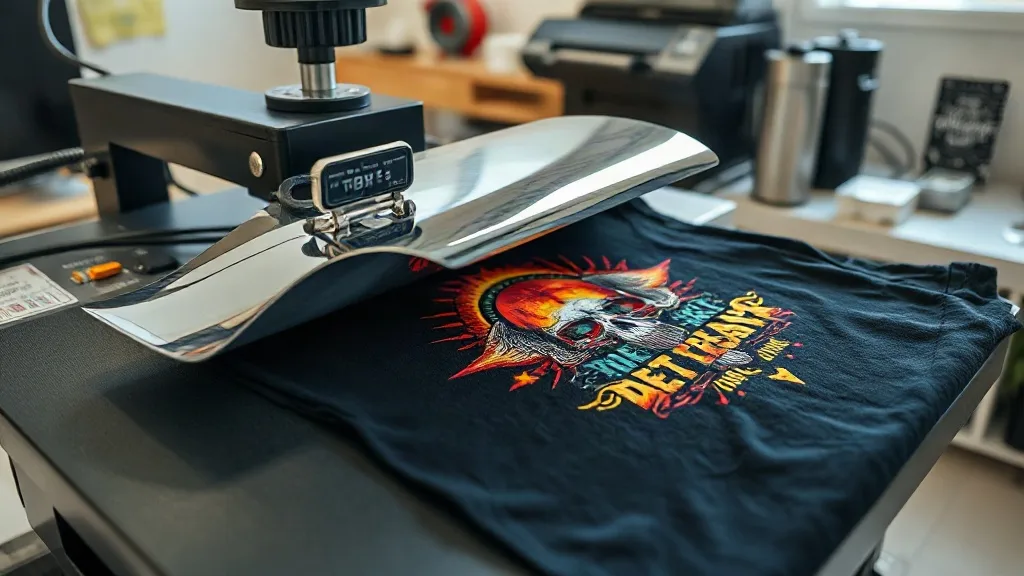
- Press with Medium Pressure: Set your heat press to the recommended temperature (usually around 150-160°C) and press for 10-15 seconds.
- Peel Cool or Hot: Follow the instructions for your specific transfer. Some require peeling while hot, others after cooling.
- Post-Press: For added durability, press again with a Teflon sheet for a few seconds.
Always test on a scrap piece of fabric first to dial in your settings.
Choosing the Right DTF Transfers
Not all DTF transfers are created equal. When sourcing, consider the following factors:
- Ink Quality: High-quality inks produce brighter colors and better wash fastness.
- Film Type: Look for films that are easy to peel and leave minimal residue.
- Adhesive Powder: The powder should melt evenly and create a strong bond.
- Supplier Reputation: Choose a supplier with good reviews and consistent quality.
If you're searching for dtf transfers near me, you'll find many options online and locally. Reading reviews and requesting samples can help you make an informed decision.
Common Challenges and Solutions
Even with the best materials, issues can arise. Here are some common problems and how to fix them:
- Peeling After Wash: Ensure proper pressure and temperature during application. Also, wait 24 hours before washing.
- Faded Colors: Use high-quality transfers and avoid washing in hot water or using harsh detergents.
- Sticky Residue: If the film leaves residue, try peeling at a different temperature or using a different film type.
DTF Transfers vs. Other Decorating Methods
How do DTF transfers compare to screen printing, DTG, and vinyl?
- Screen Printing: Better for large orders and simple designs, but DTF is more cost-effective for small batches and complex art.
- DTG (Direct to Garment): DTG requires pre-treatment and is mainly for cotton. DTF works on more fabrics and often has lower setup costs.
- Vinyl: Vinyl is limited to simple shapes and colors. DTF supports full-color, detailed designs.
Frequently Asked Questions
How long do DTF transfers last?
With proper application and care, DTF transfers can last as long as the garment itself, often 50+ washes without significant fading or peeling.
Can I apply DTF transfers to any fabric?
DTF transfers work best on cotton, polyester, and blends. They can also be applied to some synthetics, but always test first.
Do I need a special printer for DTF?
Yes, DTF requires a printer with DTF ink and a powder shaker. However, you can buy pre-printed transfers from suppliers.
What is the best temperature for DTF transfer application?
Generally, 150-160°C (300-320°F) with medium pressure for 10-15 seconds. Always follow the transfer supplier's instructions.
Are DTF transfers safe for children's clothing?
Yes, when using non-toxic inks and proper application, DTF transfers are safe. Look for OEKO-TEX certified materials if concerned.
Whether you're a small business owner or a DIY enthusiast, understanding DTF transfers can help you achieve professional results. For more tips and high-quality supplies, explore our resources at dtf transfers.