
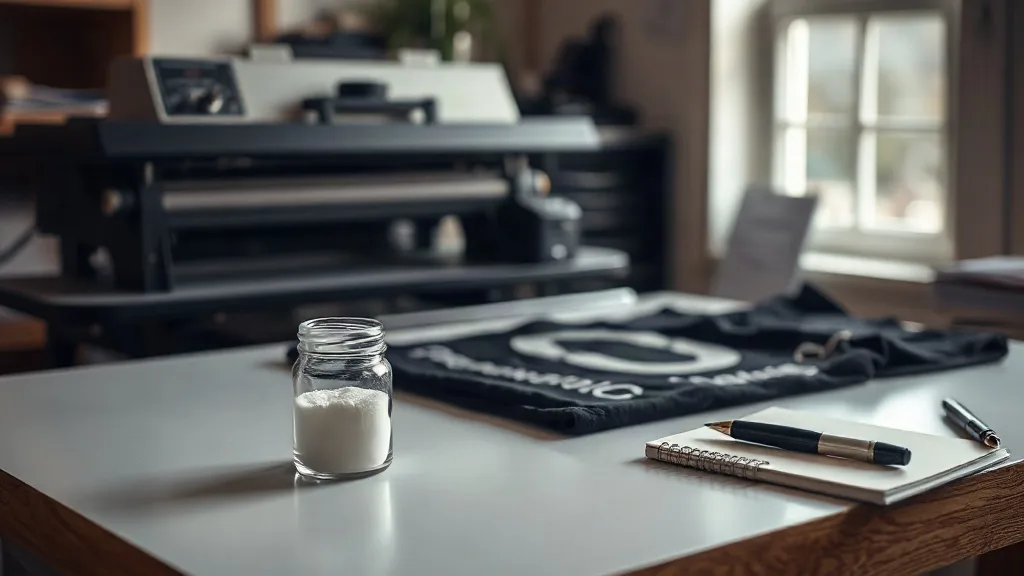
Walk into a small print shop on a busy Friday and you will usually find the same scene: a heat press ticking away, a stack of shirts waiting, and someone squinting at a freshly peeled transfer to check whether the edges held. For many of these shops, dtf transfers have quietly become the workhorse of the business. They handle cotton, polyester, blends, and even the odd canvas tote without the garment-color restrictions that make screen printing tricky for short runs. But the gap between a transfer that survives fifty washes and one that starts cracking after three often comes down to small decisions made long before the press closes.
This guide is written for the person running a two- or three-person shop, the one who wears every hat from customer service to quality control. There are no magic settings here, only the practical habits that separate consistent output from guesswork.
How the DTF process actually works
A dtf transfer is a printed image on a special film, dusted with a hot-melt adhesive powder, cured, and then pressed onto fabric. The printer lays down a layer of white ink first, followed by the color layers, so the design stays opaque on dark garments. That white layer is the reason the method works on black hoodies and navy polos as easily as on white tees.
The powder step is where many newcomers lose quality. After printing, the film is covered with adhesive powder while the ink is still wet. Excess powder needs to be shaken off, and the film then goes into a curing oven or under a heat source until the powder melts into a slightly glossy, uniform layer. Under-cured powder feels gritty and washes out. Over-cured powder turns brittle and cracks at the folds. The sweet spot is a fully melted surface with no visible grain.
Film choices and what they change
Not all films behave the same. Thinner films tend to release more cleanly and feel softer on the garment, but they can wrinkle during printing if the printer's tension is off. Thicker films are more forgiving to handle but leave a slightly stiffer hand. If you print a lot of large back designs, keeping two film types on the shelf is worth the space: one for fine detail work and one for big solid blocks of color.
Storage matters too. Film absorbs humidity, and humid film causes powder to clump and prints to smudge. A sealed bin with a few silica packets costs almost nothing and prevents a whole category of frustrating reprints.
Press settings that hold up over time
Every press runs a little differently, so treat published settings as a starting point rather than gospel. Still, a few principles apply almost everywhere:
- Temperature: Most DTF films press in the 150 to 165 degrees Celsius range. Going hotter to save time usually backfires by scorching the film or flattening the powder layer.
- Pressure: Medium to firm, even pressure across the platen. Uneven pressure shows up later as edges that lift after washing.
- Peel timing: Cold peel is the safer default for most films. Rushing a hot peel can pull fine lines out of the design.
- Second press: A short post-press with a protective sheet or parchment improves wash durability and smooths the finish.
One habit worth building: keep a small notebook or a spreadsheet of every new garment and film combination you press, with the settings and the result after five washes. After a few months you will have a reference that is more useful than any generic chart, because it reflects your press, your climate, and your customers' washing machines.
Testing before you commit to a full order
When a customer brings a new garment type, press one test piece and wash it before the full run. A quick home wash at 40 degrees with a normal detergent cycle tells you more than an hour of theory. Check the inside of the shirt as well as the outside: a transfer that has started to lift at the seams will show a faint shadow on the reverse side.
Finding reliable supply and local options
Shops that order in small batches often ask about dtf transfers near me searches, and the reason is practical. Local or regional suppliers cut shipping time, which matters when a customer needs forty shirts by Thursday. They also make it easier to test a new film or powder before committing to a bulk order.
When comparing suppliers, look past the price per sheet. Ask about the shelf life of the powder, whether the film is compatible with your printer model, and how the supplier handles a bad batch. A supplier who answers those questions clearly is usually the one worth keeping.
For shops that prefer to print in-house, the equipment side deserves the same scrutiny. A reliable dtf transfers workflow depends on a printer that holds consistent white ink density, a shaker that distributes powder evenly, and a curing setup that does not vary between jobs. Cutting corners on the shaker is a common mistake: uneven powder means uneven adhesion, and the failure shows up weeks later in the customer's hands rather than in your shop.
Common problems and how to read them
Most DTF failures announce themselves in predictable ways. Learning to read the symptom saves a lot of wasted material.
Edges lifting after washing
Usually pressure or dwell time. Increase pressure slightly, extend the press time by two or three seconds, and always use the post-press step. On stretchy fabrics, a small amount of stretch in the design itself can help the transfer move with the garment.
Patchy or cloudy white areas
This often points to the printer rather than the press. Check white ink circulation, print head alignment, and whether the film was stored in a humid space. A clogged nozzle that is only partially blocked can produce a white layer that looks fine on the film but turns patchy once pressed.
Stiff hand feel
Large solid areas of white ink naturally feel firmer. Reducing the white layer thickness, using a thinner film, or breaking up big blocks with halftones all help. For designs that wrap around the ribs of a shirt, keep the print area a little smaller than the seam line.
Where DTF fits in a shop's service mix
The method shines for short runs, sample orders, and designs with lots of colors or gradients. It is less economical than screen printing for large runs of a single design on light garments, and it is not the right answer for every job. Knowing when to hand a job to a different process is part of running a healthy shop.
Where DTF earns its place is in flexibility. A customer who wants twelve hoodies with a full-color photo, a name on the sleeve, and a logo on the back can be served in one afternoon without screens, color separations, or minimums. That responsiveness is often what turns a one-time order into a repeat customer.
Frequently asked questions
How many washes should a DTF transfer survive?
With correct pressing and a post-press step, a well-made transfer on a compatible garment typically holds up through dozens of home wash cycles. Washing inside out in cold water and avoiding high dryer heat will extend the life considerably.
Can DTF transfers go on polyester and nylon?
Polyester is generally fine, though very heat-sensitive performance fabrics need lower press temperatures and a test piece first. Nylon and coated fabrics vary widely, so always press a sample and wash it before accepting a bulk order.
Do I need a special printer to make DTF transfers?
Yes. DTF printing requires a printer set up for the process, white ink capability, and a powder shaker plus a curing method. Many small shops start by ordering transfers from a supplier and move to in-house printing once volume justifies the equipment.
What is the difference between DTF and DTG?
DTG prints directly onto the garment, which limits it mostly to cotton and requires pretreating. DTF prints onto film and presses onto the fabric, so it works across cotton, polyester, and blends, and the transfer can be stored and shipped.
How should I store unused transfers?
Keep them flat, cool, and dry, away from direct sunlight. A sealed container with silica packets protects the powder layer from humidity, which is the most common cause of clumping and smudging.