
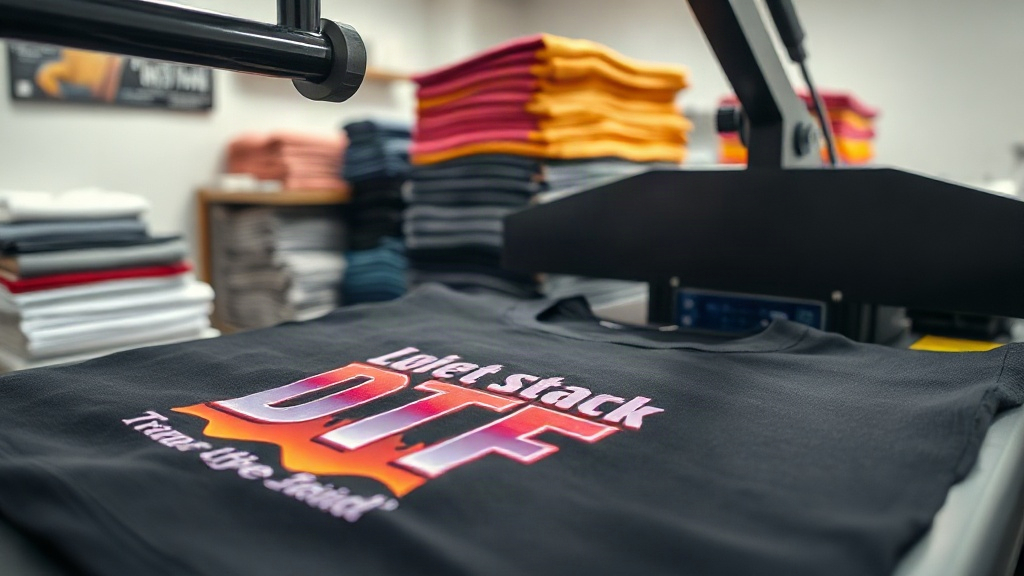
If you're in the custom apparel business, you've probably heard about DTF transfers. This printing method has taken the industry by storm, offering vibrant colors, incredible durability, and unmatched versatility. But to get the most out of DTF, you need to pair it with the right garments. In this guide, we'll walk you through everything you need to know about DTF transfers, from selecting the perfect blanks to mastering the pressing process.
What Are DTF Transfers?
DTF stands for Direct to Film. It's a printing technique where your design is printed onto a special film, coated with a powder adhesive, and then heat-pressed onto a garment. Unlike DTG (Direct to Garment) or screen printing, DTF doesn't require pretreatment or special inks for different fabrics. It works on cotton, polyester, blends, and even nylon. The result is a soft, stretchable print that can handle intricate details and photo-realistic images.
Why DTF Is a Game-Changer
DTF transfers offer several advantages: no color limitations, no minimum order quantity, and the ability to print on a wide range of materials. Plus, the prints are incredibly durable, often outlasting the garment itself.
Choosing the Right Blanks for DTF Transfers
Not all blanks are created equal. The garment you choose affects how well the transfer adheres, how it feels, and how long it lasts. Here are some top picks:
Shaka Wear: Streetwear Staple
Shaka Wear is a favorite among streetwear brands for its heavyweight cotton and relaxed fits. Their tees provide a smooth surface that DTF transfers bond to beautifully. The fabric's tight weave prevents the print from sinking in, ensuring crisp details. If you're aiming for that premium, boxy look, Shaka Wear is a solid choice.
Smart Blanks: Affordable and Reliable
Smart Blanks offers budget-friendly options without sacrificing quality. Their tees are soft, true to size, and hold up well after multiple washes. For high-volume orders or testing new designs, Smart Blanks delivers consistent results. They're also a great option for promotional products where cost matters.
How to Apply DTF Transfers Like a Pro
Getting a professional finish requires attention to detail. Follow these steps:
- Preheat the garment: Remove moisture and wrinkles with a quick press.
- Position the transfer: Place it exactly where you want it.
- Press: Use medium pressure at 325°F for 15-20 seconds.
- Peel: Wait for it to cool, then peel the film off in one smooth motion.
- Post-press: Cover with parchment paper and press again for 5-10 seconds for extra durability.
Always test your settings on a scrap piece first. Different fabrics may require slight adjustments.
Common Mistakes to Avoid
- Too much pressure: Can cause the adhesive to spread and create a halo.
- Not preheating: Moisture can ruin adhesion.
- Peeling too soon: Hot peel can distort the design.
- Using the wrong film: Ensure your film matches your printer and ink type.
DTF Transfers on Different Fabrics
DTF is incredibly versatile, but each fabric has its quirks. Cotton and blends are straightforward. Polyester requires lower temperatures to avoid dye migration. Nylon and waterproof fabrics need special low-temperature adhesives. Always check the garment's care label and test.
Washing and Care Tips
To keep your DTF prints looking new:
- Turn the garment inside out before washing.
- Use cold water and mild detergent.
- Avoid bleach and fabric softeners.
- Tumble dry low or hang dry.
- Iron inside out, never directly on the print.
Frequently Asked Questions
Can I use DTF transfers on dark garments?
Yes! DTF transfers include a white ink layer, so they show up vividly on dark colors. No need for a separate white underbase.
How long do DTF transfers last?
With proper care, DTF prints can last 50+ washes. They're known for their durability, often outlasting the garment itself.
Do I need a special printer for DTF?
You need a DTF printer that uses pigment inks and a shaker machine for the powder. However, you can also buy pre-printed transfers from suppliers.
What's the difference between DTF and DTG?
DTG prints directly onto the garment and requires pretreatment. DTF prints onto a film first, then transfers to the garment. DTF works on more fabrics and often has better stretchability.
Can I stretch DTF prints?
Yes, DTF prints are stretchable and won't crack easily. They're great for athletic wear and fitted garments.
Mastering DTF transfers opens up a world of possibilities for custom apparel. With the right blanks, like Shaka Wear and Smart Blanks, and a solid pressing technique, you can create professional-grade products that customers love. Happy printing!