
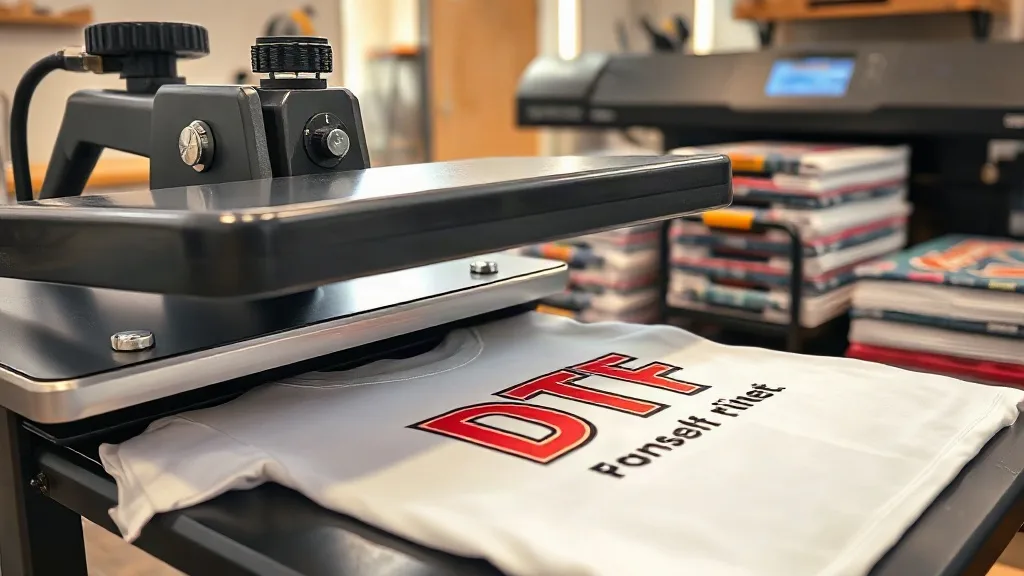
When you first dive into the world of custom apparel, one term keeps popping up: dtf. Short for Direct-to-Film, this printing method has quickly become a favorite among small business owners, hobbyists, and large-scale producers alike. Unlike traditional screen printing or vinyl cutting, dtf transfers allow you to print full-color designs onto a special film, then heat-press them onto almost any fabric. The result? Vibrant, stretchable, and durable prints that feel soft to the touch. In this guide, we'll walk you through everything you need to know about DTF printing, from the basic process to the factors that affect durability, and how to choose the right supplies for your projects.
What Exactly Is DTF Printing?
DTF printing is a digital printing technique where your design is printed onto a PET film using special inks. A hot-melt powder adhesive is applied to the wet ink, and after curing, the transfer is ready to be pressed onto a garment. The magic happens when heat and pressure bond the ink and adhesive to the fabric fibers, creating a permanent bond that can withstand repeated washing and stretching. Because the design sits on top of the fabric rather than being dyed into it, DTF can produce incredibly bright colors and fine details that other methods struggle to match. Plus, it works on a wide range of materials, including cotton, polyester, blends, and even some treated nylons.
Why DTF Transfers Are Gaining Popularity
There are several reasons why dtf transfers have become a go-to solution for garment decoration. First, there's no need for color separation or screens, which makes short runs and one-off designs cost-effective. Second, the process is relatively clean and straightforward, requiring less setup than screen printing. Third, the prints are incredibly durable when done correctly, often outlasting the garment itself. Finally, the ability to print on dark and light fabrics without a white underbase simplifies production. Whether you're printing a single custom t-shirt for a customer or a batch of 500 for a team, DTF scales effortlessly.
Common Applications for DTF Prints
- Custom t-shirts, hoodies, and sweatshirts
- Sports jerseys and team uniforms
- Promotional items like tote bags and caps
- Fashion apparel with intricate, multi-color designs
- Home textiles such as pillow covers and aprons
The DTF Printing Process Step by Step
Understanding the process helps you troubleshoot issues and achieve consistent results. Here's a breakdown of the key steps:
- Design Preparation: Create your artwork in a vector or high-resolution raster format. Remember to mirror the image before printing.
- Printing: Load the PET film into your DTF printer. The printer lays down a layer of white ink (for opacity) followed by the color inks.
- Powder Application: While the ink is still wet, sprinkle hot-melt adhesive powder evenly over the design. Shake off excess.
- Curing: Place the film in a curing oven or under a heat press at the recommended temperature (usually around 160°C/320°F) for 2-3 minutes to melt the powder.
- Transfer: Set your heat press to the appropriate temperature (typically 150-160°C/300-320°F) and press the transfer onto the garment for 10-15 seconds with medium pressure.
- Peel: Wait for the transfer to cool completely (cold peel) or peel while warm (hot peel) depending on the film and adhesive used.
Factors That Affect DTF Transfer Durability
Durability is a top concern for anyone selling printed apparel. Several variables influence how well a DTF transfer holds up over time:
1. Ink Quality
Not all DTF inks are created equal. High-quality inks from reputable brands offer better color vibrancy, adhesion, and resistance to cracking. Cheap inks may save money upfront but often lead to faded or peeling prints after a few washes.
2. Powder Adhesive
The hot-melt powder is what bonds the ink to the fabric. Using the correct particle size and applying the right amount is crucial. Too little powder results in weak adhesion; too much leaves a rough, plasticky feel. Always source your powder from a trusted supplier.
3. Curing and Pressing Parameters
Temperature, time, and pressure must be dialed in precisely. Under-curing leads to poor washability, while over-curing can cause the film to warp or the ink to discolor. Invest in a good heat press with accurate temperature control and a timer.
4. Fabric Type
DTF adheres best to cotton and cotton-poly blends. On 100% polyester, especially with a smooth finish, the bond may be slightly less durable. Pre-treating the fabric or using a special adhesive powder for polyester can improve results.
5. Washing and Care
Even the best transfer can degrade if cared for improperly. Always wash garments inside out in cold water, avoid fabric softeners and bleach, and tumble dry on low or hang dry. Following these simple rules can extend the life of your prints significantly.
Choosing the Right DTF Supplies
To achieve professional-grade results, you need the right tools and materials. Here's what to look for:
- Printer: A dedicated DTF printer with white ink circulation and reliable printhead technology. Brands like Epson and Ricoh are popular for converted DTF printers.
- Inks: Pigment-based DTF inks designed specifically for film printing. Look for inks with good color gamut and fastness.
- Film: PET film with a matte or glossy finish, available in sheets or rolls. Thickness usually ranges from 75 to 100 microns.
- Powder: Thermoplastic polyurethane (TPU) powder in fine or medium grade. Ensure it's compatible with your ink and fabric.
- Heat Press: A swing-away or clamshell press with uniform pressure and digital temperature control.
- Curing Oven: Optional but recommended for larger operations to ensure even curing.
When sourcing supplies, consider bulk purchasing to reduce costs, but never compromise on quality. Cheap materials often lead to frustrated customers and reprints.
Tips for Flawless DTF Transfers
Even with the right equipment, small mistakes can ruin a transfer. Keep these tips in mind:
- Always mirror your design before printing. Forgetting this step is a common rookie mistake.
- Maintain a clean workspace to prevent dust and lint from sticking to the film.
- Test your powder application: too much powder creates a rough texture; too little causes peeling.
- Use a infrared thermometer or heat gun to verify your press temperature; dials can be inaccurate.
- Allow transfers to cool completely before peeling if using cold-peel film. Hot-peel films require immediate peeling.
- Store unused transfers in a cool, dry place away from direct sunlight to prevent premature curing.
Common Mistakes to Avoid with DTF Printing
Learning from others' mistakes can save you time and money. Here are pitfalls to watch out for:
- Using the wrong side of the film: Always print on the coated side. If unsure, touch the film with a wet finger; the sticky side is the print side.
- Insufficient drying time: Rushing the curing step leads to clogged powder and poor adhesion.
- Inconsistent pressure: Uneven pressure results in patches that peel or look dull.
- Ignoring fabric limitations: While DTF works on many fabrics, it's not ideal for highly textured or stretchy materials like spandex without testing.
- Neglecting maintenance: DTF printers require regular cleaning and ink circulation to prevent clogs and ensure longevity.
Frequently Asked Questions About DTF Transfers
How long do DTF transfers last?
With proper application and care, DTF transfers can last as long as the garment itself, often 50+ washes without significant fading or cracking. Durability depends on ink quality, powder, curing, and washing habits.
Can I use DTF on 100% polyester?
Yes, DTF works on polyester, but adhesion may be slightly lower than on cotton. Using a low-temperature powder and pressing at a lower temperature (around 140°C/285°F) can improve results. Always test first.
Do I need a special printer for DTF?
You can convert a standard inkjet printer (like Epson EcoTank models) to DTF by using DTF inks and a bulk ink system. However, dedicated DTF printers offer better reliability and white ink management.
What is the difference between DTF and DTG?
DTG (Direct-to-Garment) prints directly onto the fabric, while DTF prints onto a film that is then transferred. DTF generally offers more vibrant colors on dark fabrics and works on more materials, but DTG can be faster for small runs on cotton.
How do I wash DTF-printed garments?
Turn the garment inside out, wash in cold water with mild detergent, avoid bleach and fabric softener, and tumble dry on low or hang dry. This will maximize the life of your prints.
Final Thoughts
DTF printing has revolutionized the custom apparel industry by making high-quality, full-color transfers accessible to everyone. By understanding the process, investing in quality supplies, and following best practices, you can produce stunning garments that delight your customers. Whether you're just starting out or looking to scale your business, mastering dtf transfers is a valuable skill. Remember, the key to success lies in attention to detail and continuous learning. So, gather your materials, fire up your printer, and start creating!