

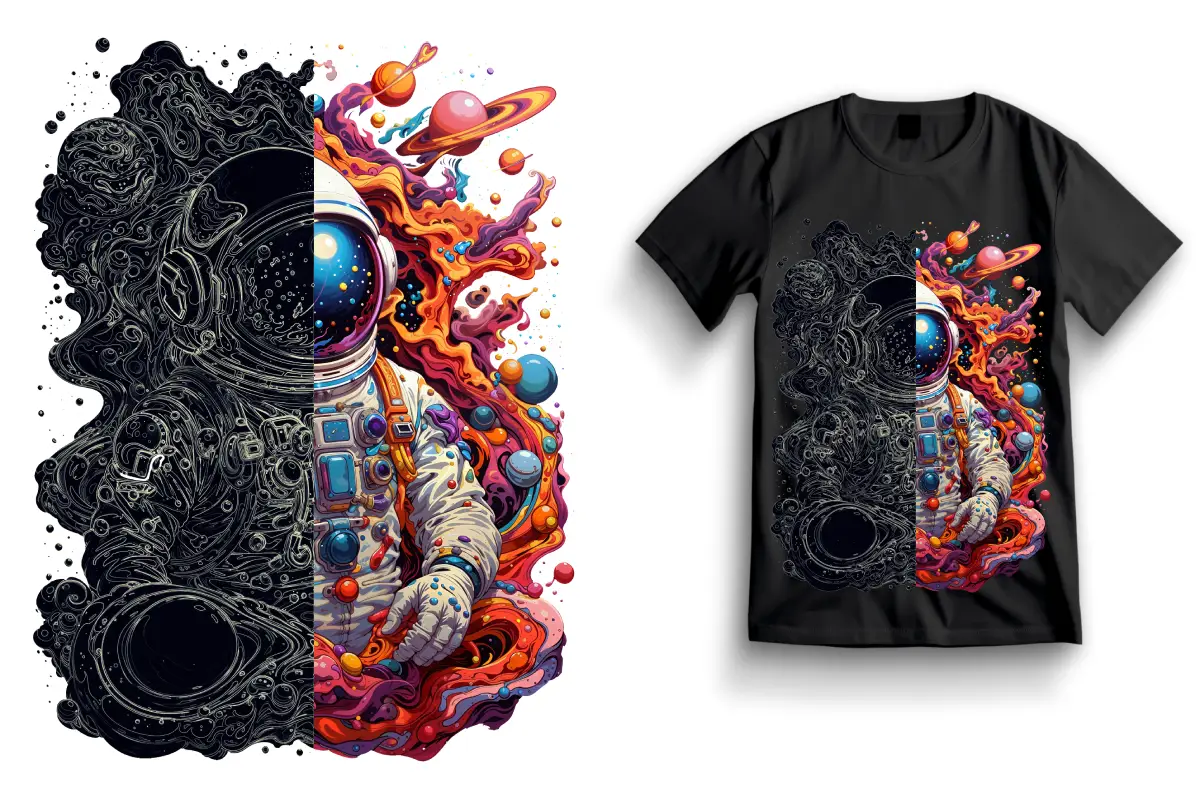
The custom apparel industry is undergoing a massive shift, and if you are still relying solely on traditional screen printing or vinyl weeding, you might be falling behind. Enter the world of dtf transfers, a groundbreaking technology that has fundamentally changed how independent designers, clothing brands, and print shops create high-quality garments. This innovative method allows you to print vibrant, full-color designs onto a special film and transfer them onto almost any fabric using heat and pressure. Whether you are a hobbyist working from a spare bedroom or a high-volume print shop looking to scale your production, understanding the nuances of DTF technology is the key to unlocking unlimited creative freedom and significantly higher profit margins.
The Direct-to-Film Revolution: Why Custom Apparel Will Never Be the Same
For decades, decorating textiles required choosing between separate methods, each with its own set of frustrating limitations. Screen printing offers incredible durability but demands expensive setups and high minimum order quantities, making detailed multi-color designs a financial nightmare for small runs. Vinyl cutting provides flexibility but fails miserably with intricate details and leaves a heavy, plastic-like feel on the shirt. Direct-to-garment (DTG) printing eliminated some design restrictions but confined creators to mostly 100% cotton fabrics and required meticulous, time-consuming pre-treatment processes.
Modern dtf transfers eliminate these bottlenecks completely. The process works by printing your digital artwork directly onto a clear polyethylene terephthalate (PET) film using specialized aqueous pigment inks. While the ink is still wet, a unique hot-melt adhesive powder is applied across the surface. Once cured with heat, this adhesive transforms into a thin, flexible layer that bonds permanently with fabric fibers during the final heat press application. The result is a remarkably soft, stretchable, and durable print that mirrors the retail-ready look and feel demanded by today’s consumers.
Deconstructing the Technical Advantages of DTF Technology
To truly appreciate why so many businesses are making the switch, we need to look beneath the surface at the core technical benefits that define DTF systems. It is not just about convenience; it is about expanding your operational capabilities and offering products that outlast traditional alternatives.
Unrivaled Fabric Versatility
One of the greatest challenges in garment decoration has always been material compatibility. Polyester blends, nylon, canvas, and athletic performance fabrics often reject traditional inks or suffer from severe dye migration when exposed to high heat. Because the adhesive layer in a DTF transfer acts as a protective barrier, you can safely apply designs to almost any substrate without worrying about fabric scorching or color bleeding. From synthetic sports jerseys to heavy cotton hoodies and rugged denim jackets, the application process remains completely identical.
Exceptional Durability and Wash Fastness
A common misconception among newcomers is that film transfers will crack, peel, or fade after a few cycles through a washing machine. High-quality prints easily withstand over fifty standard wash cycles without losing their color brilliance or structural integrity. The secret lies in the polyurethane-based hot-melt powder, which cures into an elastomeric matrix. This allows the design to stretch naturally alongside the fabric without snapping or creating unsightly micro-fissures in the ink layer.
Intricate Detail and Vibrant Color Rendition
Because the digital printer deposits ink onto a stable, smooth film rather than directly onto porous fabric threads, there is zero ink bleeding or dot gain during the printing stage. This enables the reproduction of ultra-fine lines, complex gradients, photorealistic portraits, and tiny typography that would be impossible to replicate with screen printing stencils or vinyl plotters. Furthermore, the mandatory white ink backing layer ensures that colors remain intensely vibrant, even when applied to the darkest black fabrics.
Sourcing Your Prints: Local Convenience vs. Nationwide Reliability
As you scale your apparel business, deciding how to source your transfers becomes a critical operational milestone. Many shop owners begin their search by typing dtf transfers near me into search engines, hoping to find a local supplier capable of quick turnarounds and face-to-face consultations. Working with a local partner certainly has its perks, such as eliminating shipping fees and allowing you to physically inspect sample prints before committing to a massive order.
However, relying solely on local proximity can sometimes limit your growth if those regional shops lack industrial-grade equipment or struggle with strict quality control. The best approach is to evaluate suppliers based on their technical infrastructure, ink quality, and consistency rather than just their physical address. Many nationwide providers offer streamlined online dashboards, automated gang sheet builders, and rapid overnight shipping options that easily match or beat the convenience of a local walk-in shop. When you partner with a dedicated, professional manufacturer like Harwin DTF, you gain access to commercial-grade reliability that guarantees every single sheet arrives perfectly cured, perfectly colored, and ready for immediate application.
Mastering the Heat Press: Step-by-Step Professional Application
Even the absolute highest quality transfer will fail if the final application process is flawed. Achieving a retail-grade finish requires precise control over three critical variables: temperature, time, and pressure. Follow this professional workflow to ensure flawless results every time:
- Fabric Pre-Pressing: Always place your blank garment under the heat press for five to eight seconds before positioning your design. This crucial step removes trapped moisture and flattens out wrinkles, both of which can prevent the adhesive powder from forming a permanent bond with the fabric striae.
- Alignment and Positioning: Position your cured film transfer onto the garment with the ink side facing down. If you are working with multiple designs on a single sheet, use heat-resistant tape to secure the graphics firmly in place and prevent ghosting or shifting during the press cycle.
- The Primary Press: Apply heat based on your specific fabric type. For standard cotton and poly-blends, a temperature range of 285°F to 310°F (140°C to 155°C) for ten to fifteen seconds under medium-to-firm pressure (around 40 to 50 PSI) is typically ideal. Synthetic or delicate fabrics may require slightly lower temperatures to avoid heat marks.
- The Peeling Strategy: Pay close attention to the manufacturer’s guidelines regarding peel temperature. While some modern films support hot-peeling immediately after opening the press, many premium films require a cold peel. If using a cold-peel film, wait until the transfer is completely cool to the touch before smoothly pulling the plastic carrier sheet away in a single, fluid motion.
- The Post-Press (Finishing Stride): To maximize wash durability and dial in the perfect texture, cover the exposed print with a sheet of premium parchment paper or a silicone mat and press it a second time for five seconds. A silicone mat will yield a soft matte appearance, while a Teflon sheet will create a slightly glossier finish.
An Insider Guide to Sourcing the Best DTF Transfer at Houston
The regional market in Texas has grown incredibly competitive, with numerous print shops vying for attention. If you are specifically hunting for the best dtf transfer at Houston, you must look beyond flashy marketing and scrutinize the actual components a supplier utilizes in their production line.
A true premium print relies on a delicate balance of high-end machinery and premium raw materials. Top-tier providers invest heavily in industrial wide-format printheads that maintain consistent droplet sizes, preventing banding lines across large blocks of solid color. They also utilize premium, multi-coated PET films that release the ink cleanly without leaving sticky residue behind. When auditing potential suppliers in the region, always request a sample pack to test their prints against rough stretching and repeated washing. A world-class transfer should feel incredibly thin on the shirt, stretch effortlessly without tearing, and display deep, solid blacks alongside crisp, bright whites.
Navigating the Evolving Houston DTF Transfer Landscape
The surging demand across Texas has turned the local community into a thriving hub for apparel decoration innovation. Sourcing a dependable Houston dtf transfer partner means finding a team that understands the logistical pressures of local businesses. The local climate itself can even play a role; high humidity levels can interfere with raw powder storage and open-air printing environments, making climate-controlled production facilities an absolute necessity for regional suppliers.
By establishing a relationship with an elite supplier who utilizes climate-controlled automation, you insulate your business from production inconsistencies. Whether you are creating localized merchandise for a commercial corporate event, building an independent streetwear label from the ground up, or fulfilling urgent school spirit wear orders, having a rock-solid supply chain allows you to focus entirely on marketing and design while leaving the technical manufacturing headaches to the experts.
Optimizing Your Artwork Files for Flawless Film Printing
To get the absolute most out of your digital transfers, your artwork files must be prepared correctly before submission. Even the most advanced printing system cannot fix a pixelated, low-resolution file. Always design your graphics at a minimum of 300 DPI (Dots Per Inch) at the exact physical print size you intend to deploy. Vector formats such as SVG, PDF, or high-resolution PNGs with transparent backgrounds are highly preferred.
Pay close attention to soft glows, semi-transparent drop shadows, and ultra-thin gradients. Because the printer must apply a solid layer of white ink behind every colored pixel to ensure visibility, semi-transparent edges can sometimes print as solid, muddy white borders. To achieve smooth, intentional transparency transitions, use halftoning techniques or ensure your edges are completely crisp and defined. Taking the extra time to clean up your digital artwork saves hours of frustration and guarantees your final physical product looks exactly like the mockup on your screen.
Frequently Asked Questions Regarding Custom Apparel Transfers
Can I apply these transfers using a standard household clothing iron?
While it is technically possible to transfer the design using a household iron, it is highly discouraged for commercial products. Standard irons cannot provide the perfectly uniform, consistent pressure or the precise temperature control required to fully melt and fuse the adhesive powder into the fabric. For reliable, retail-grade wash durability, a dedicated manual or pneumatic heat press is essential.
What is a gang sheet, and how does it help save money?
A gang sheet refers to arranging multiple distinct designs close together onto a single, continuous roll or large sheet of transfer film. Instead of paying for prints on a per-design basis, you pay by the total linear foot of the film. This allows you to maximize your layout space by mixing different sizes, logos, and neck labels together, significantly reducing your overall production cost per garment.
How should I store unused film transfers to ensure they stay fresh?
Unused transfers should be stored flat inside a cool, dry environment away from direct sunlight, extreme heat, or high humidity. It is best to keep them sealed inside an airtight plastic bag with a few silica gel packets to absorb any ambient moisture. When stored properly, cured transfers can remain perfectly viable for up to a full year before being pressed onto a garment.
Scaling Your Brand with Confidence and Precision
Embracing this printing methodology opens up unparalleled avenues for business growth, letting you experiment with bold colors and intricate graphics without upfront financial risk. By shifting away from heavy, outdated processes and adopting streamlined solutions, you position your brand to respond instantly to changing fashion trends and urgent customer demands. At Harwin DTF, we are dedicated to empowering creators with the absolute best printing technology available, delivering industrial-grade reliability directly to your workbench. Let us handle the complexities of production so you can focus on building your brand, delighting your customers, and scaling your business toward long-term success.