

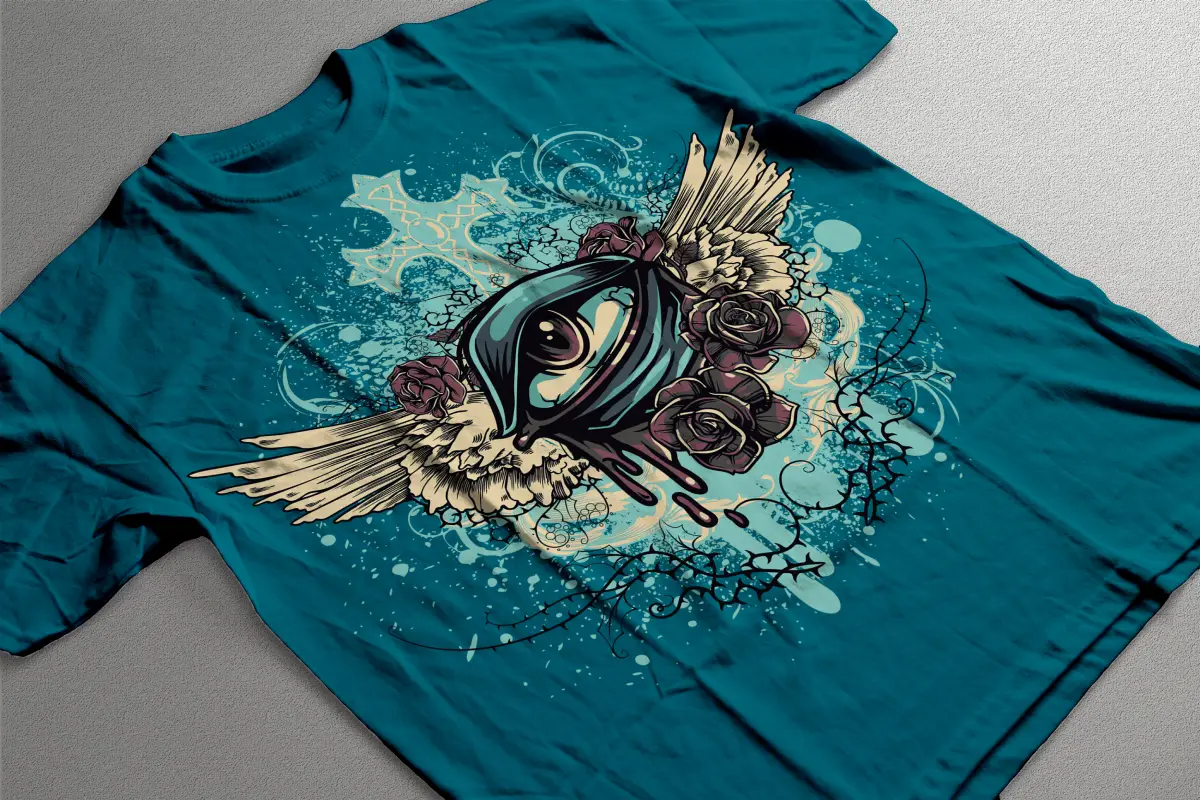
Navigating the fast-paced world of garment customisation can feel overwhelming, especially when trying to balance production speed with retail-grade quality. If you are still relying on traditional screen printing setups or tedious vinyl weeding, you are likely losing precious hours and missing out on higher profit margins. The introduction of premium dtf transfers has completely rewritten the rules for apparel decorators worldwide. This flexible method enables anyone from independent boutique owners to industrial print shops to produce vivid, durable, multi-coloured designs on a vast array of textiles. By eliminating the heavy setup costs of legacy techniques, modern print shops are scaling faster than ever before, using digital precision to deliver flawless merchandise on demand.
The Evolution of Modern Fabric Decoration
Textile decoration has historically forced creators to make difficult compromises. Screen printing yields beautiful longevity but demands high minimum orders and complex stencil setups, rendering short runs completely unprofitable. On the other end of the spectrum, heat transfer vinyl offers low entry barriers but struggles with intricate detail, adding significant weeding time to every job while leaving a heavy, plastic-like texture on the final garment. Direct-to-garment alternative printing solved some design challenges but tied shops to specific cotton blends and finicky pre-treatment steps that often stained delicate fabrics.
The rise of digital DTF systems completely dismantles these operational bottlenecks. The workflow is elegantly straightforward: artwork is mirrored and digitally printed onto a specially coated clear film using advanced water-based inks. While the printed design is still wet, a specialized hot-melt adhesive powder is uniformly scattered over the surface. Once cured through a heat tunnel or specialized oven, this powder forms a highly resilient, flexible backing. This cured film can then be stored indefinitely or pressed immediately onto nearly any garment type, ensuring a smooth, retail-ready finish that moves naturally with the wearer.
Technical Breakdown: Why Digital Film Prints Outperform Legacy Methods
Understanding why industry professionals are rapidly abandoning older methods requires a look at the specific engineering advantages baked into this production cycle. It is not merely a matter of convenience; it represents an upgrade in structural durability and design execution.
Unmatched Versatility Across Substrates
One of the most persistent issues in custom apparel is fabric compatibility. Traditional inks often bleed on synthetic polyesters, while heat-sensitive activewear can easily scorch under intense heat presses. Because the polyurethane adhesive backing acts as a protective shield, you can apply these graphics to almost any textile structure. From rough canvas tote bags and heavy nylon jackets to delicate polyester athletic jerseys and organic cotton t-shirts, the identical press settings deliver uniform, reliable results every time.
Stretching the Limits of Durability
A frequent concern for brand owners entering the digital printing space is wash lifecycle durability. Premium film transfers easily withstand dozens of commercial laundry cycles without showing signs of cracking, peeling, or premature fading. The unique composition of the cured adhesive creates an elastomeric bond with the underlying fabric strands. This allows the finished print to stretch under tension and snap back into shape without breaking the ink layer, maintaining pristine aesthetics for the lifetime of the garment.
Flawless Resolution and Vibrant Finishes
Because the digital printer applies ink directly onto a smooth, non-porous PET carrier film rather than absorbent fabric fibers, there is zero bleeding or unwanted dot gain during production. This enables the exact rendering of ultra-fine vector lines, complex photorealistic artwork, smoke gradients, and microscopic text elements. A highly concentrated white ink base layer is printed behind the colored graphics, ensuring that every design remains strikingly vibrant even when pressed onto pitch-black fabrics.
Evaluating Your Sourcing Options: Local Convenience vs. Nationwide Power
As orders begin to pile up, print shop managers face a critical crossroad regarding how they source their physical prints. Many small business operators start their journey by opening a browser and searching for dtf transfers near me to locate a regional vendor. Finding a workshop in your immediate zip code provides clear advantages, such as avoiding transit delays, skipping standard shipping fees, and building personal relationships with regional suppliers where you can inspect physical strike-offs beforehand.
However, relying solely on local proximity can introduce unnecessary production risks if those regional operations utilize low-grade modified printers or lack rigorous quality control measures. Scaling a modern brand requires consistent ink output and precisely cured adhesive layers. Evaluating a fulfillment partner based on their industrial capacity, machine calibration, and material quality often yields much better long-term results than selecting a shop based purely on proximity. Working with an advanced, dedicated production facility like Harwin DTF gives you the best of both worlds: lightning-fast processing, professional-grade quality checks, and robust packaging that ensures your prints arrive in pristine condition, no matter where your workshop is located.
Pro Tips for Flawless Heat Press Execution
Even the absolute highest-grade print will fail if the final application process is executed poorly. Achieving a permanent, retail-grade bond depends on the careful management of time, temperature, and physical pressure. Implementing these professional guidelines will eliminate application errors completely:
- The Pre-Press Moisture Release: Always place your blank apparel item into the heat press for four to six seconds before aligning your graphic. This step flattens wrinkles and drives out ambient moisture trapped within the textile fibers, which could otherwise create air bubbles beneath the adhesive layer.
- Perfect Placement Security: Position your transfer sheet with the printed side down onto the designated area. When building complex multi-logo layouts or working on uneven surfaces, secure the film edges using specialized heat-resistant tape to prevent ghosting or sliding when the upper heat plate descends.
- Calibrated Heat Settings: Adjust your machinery based on the specific garment fabric. Standard cotton and robust poly-blends typically perform best between 285°F and 315°F (140°C to 157°C) for twelve seconds under firm, even pressure. For sensitive synthetics, lower the temperature slightly and extend the time to prevent fabric glazing.
- The Cooling Phase: Pay close attention to the film type you are utilizing. While some newer films allow for immediate hot peeling, many premium options are designed strictly as cold-peel products. If using a cold-peel film, allow the garment to cool down completely to room temperature before smoothly pulling the plastic carrier back from one corner in a steady, continuous motion.
- The Critical Post-Press Seal: To lock in maximum wash durability and eliminate any remaining plastic sheen, place a piece of parchment paper or a silicone protective sheet over the freshly exposed design and press it one final time for five seconds. This embeds the ink matrix deeply into the fabric weave, creating a premium matte finish.
How to Identify the Best DTF Transfer at Houston
The regional printing market has expanded dramatically, filling the space with numerous competing fulfillment centers. If you are actively hunting for the best dtf transfer at Houston, you must look beyond low prices and carefully inspect the actual raw materials a shop uses in its daily workflow.
A true commercial-grade transfer depends on a precise combination of industrial machinery, specialized inks, and high-performance films. Top-tier providers invest heavily in wide-format printers equipped with automated white ink circulation systems, which prevent head clogging and uneven ink density. They also opt for premium hot-melt powders that melt uniformly without leaving rough speckles around the outer borders of your graphic. When checking out regional partners, always request a physical sample pack to test the prints under heavy tension and aggressive washing. A superior transfer will feel remarkably thin, stretch without fracturing, and maintain razor-sharp clarity along its edges.
Succeeding in the Competitive Houston DTF Transfer Scene
The incredible boom in Texas commerce has turned the regional market into a hotbed for independent fashion labels, sports organizations, and corporate merchandise coordinators. Finding a stable Houston dtf transfer provider means teaming up with an expert group that understands the logistical demands of rapid turnarounds. Regional weather patterns can also introduce unique challenges; intense local humidity can compromise open-air powder storage and cause ink stability issues if a workshop is not properly climate-controlled.
By connecting your supply chain with a premier manufacturer that utilizes fully automated, climate-regulated equipment, you insulate your apparel brand from unexpected production errors. Whether you are fulfilling a last-minute order for a large corporate conference, launching a limited-edition streetwear drop, or printing uniform packages for local schools, a reliable production partner allows you to focus on your marketing campaigns and design files, safe in the knowledge that your physical products will arrive perfectly executed every single time.
Optimizing Digital Files for High-Resolution Film Output
To extract the absolute highest fidelity from your transfer prints, your digital source files must be formatted correctly before submission. Industrial printheads reproduce exactly what they receive, meaning low-resolution images will always produce sub-par physical results. Always build your artwork files at a minimum of 300 DPI at the exact size you want them printed on the garment. Vector formats like PDF or SVG, alongside transparent PNG files, are universally preferred.
Be particularly mindful of transparent glows, complex drop shadows, and ultra-fine gradients. Because the machinery must print a completely solid white ink backing layer beneath every single colored pixel, soft transparent edges can sometimes result in thick, solid white borders on your finished shirt. To create soft fades or glowing elements, use halftoning patterns or ensure your design transitions have crisp, clean boundaries. Spending a few extra minutes cleaning up your digital files removes production headaches and guarantees your final physical product mirrors your digital vision perfectly.
Frequently Asked Questions About Professional Fabric Transfers
Can I successfully apply these transfers with a standard home iron?
While you can technically melt the powder using a household iron, it is strongly discouraged for commercial clothing lines. Home irons cannot distribute perfectly even pressure across the design, nor can they maintain the precise, consistent temperatures required to fuse the hot-melt powder into the textile fibers. To guarantee retail-grade durability that holds up over dozens of washes, a dedicated heat press is highly recommended.
What is a gang sheet and how does it lower production costs?
A gang sheet is the practice of arranging multiple distinct graphics close together onto a single, continuous wide-format film roll. Rather than purchasing individual designs separately, you purchase the film by the total linear foot. This enables you to optimize every inch of space by grouping chest designs, sleeve logos, and custom neck labels together on one layout, significantly reducing your individual printing costs.
How should I store my unused transfer sheets to keep them fresh?
Unused transfer films should be kept completely flat in a climate-controlled room away from direct sunlight, extreme heat sources, or high humidity. Placing them inside an airtight plastic container or resealable bag alongside a few silica gel packets to catch ambient moisture is highly effective. When stored under these ideal conditions, cured transfers will remain perfectly viable for up to a full year before pressing.
Driving Brand Growth with Reliable Modern Printing Solutions
Adopting this advanced digital printing method gives you the power to scale your brand quickly, letting you test out intricate multi-colored designs and new product concepts without heavy financial commitments. By moving past outdated production methods and embracing automated systems, you ensure your business can react instantly to shifting consumer fashion trends and high-priority bulk orders. At Harwin DTF, we are committed to providing creators with exceptional print clarity and industrial-strength dependability. Let our production team handle the physical complexities of manufacturing while you focus on what you do best: growing your brand, delighting your customers, and scaling your operation to new heights.