

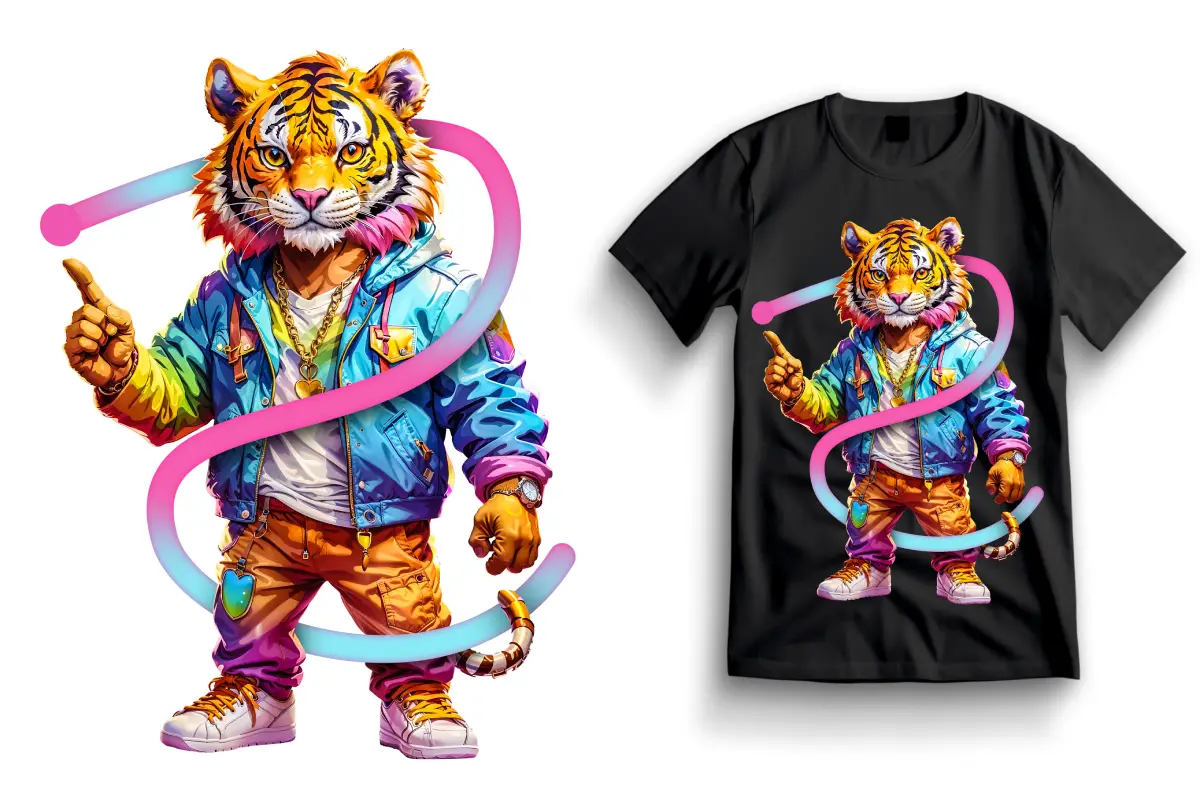
Launching or expanding a clothing brand requires navigating a minefield of decoration methods, production costs, and quality control standards. For decades, print shops forced creators to choose between the high minimum order volumes of screen printing and the plastic feel of traditional heat transfer vinyl. Today, the rapid ascent of premium dtf transfers has rewritten the production playbook, offering independent designers and commercial print shops a frictionless way to execute complex, multi-colored graphics. This digital technology prints your designs directly onto a specialized film carrier, preparing it for flawless heat-driven bonding on almost any fabric type. By eliminating setup screens and meticulous weeding processes, the modern DTF method serves as the ultimate catalyst for lean manufacturing and immediate order fulfillment.
The Mechanics of Direct-to-Film Innovation
To fully appreciate how this methodology minimizes waste and maximizes output, one must look closely at the step-by-step chemical and mechanical processes involved. Unlike older transfer systems that relied on heavy plastisol layers or easily cracked eco-solvent papers, this system uses advanced water-based pigment inks deposited precisely onto a coated polyethylene terephthalate film. The print sequence applies the cyan, magenta, yellow, and black inks first, instantly followed by a highly opaque white ink layer that serves as the solid structural foundation for the entire design.
While the printed ink matrix remains wet on the film surface, a finely granulated thermoplastic polyurethane adhesive powder is applied across the sheet. This powder selectively adheres only to the wet ink areas, leaving the unprinted clear film completely clean. The sheet then passes through a precisely calibrated curing oven or heating tunnel, where the powder melts into a smooth, rubberized adhesive layer. When cooled, the design remains structurally stable on the carrier sheet, ready to be cut, stored for months, or pressed onto garments at a moment’s notice.
Operational Advantages Over Legacy Printing Systems
Shifting production lines to digital film transfers yields immediate, measurable benefits for garment decorators. Business operators who transition away from traditional equipment frequently report substantial drops in physical labor costs alongside a dramatic expansion of their product catalogs.
Unrivaled Material Compatibility
One of the biggest hurdles in apparel decoration has always been fiber restrictions. Direct-to-garment systems struggle heavily on synthetic polyesters, while screen printing inks can suffer from severe dye migration when cured on sublimated athletic wear. Because the low-temperature hot-melt powder acts as an insulating barrier, you can safely apply these graphics onto virtually any substrate. Unorthodox materials like heavy nylon windbreakers, leather bags, performance polyester jerseys, and rugged canvas hats can all be decorated using the exact same transfer sheets, keeping your production settings uniform across diverse order groups.
Exceptional Elastomeric Durability
A common concern for newcomers entering the custom garment industry is the longevity of digital prints. High-grade film transfers offer excellent stretchability and wash fastness, regularly outlasting fifty commercial laundry cycles without showing micro-fractures or color degradation. The secret lies in the flexibility of the polyurethane backing, which stretches smoothly alongside knitted fabrics and returns to its original shape without pulling apart the core ink layers. This ensures that your brand graphics look pristine from the initial shelf presentation through years of continuous wear.
Intricate Graphics Without Labor Bottlenecks
Intricate vector artwork with complex floating elements, fine text, or fine halftones presents a logistical nightmare for vinyl cutting or multi-screen setups. Vinyl requires hours of meticulous hand-weeding, while screen printing demands perfect multi-color registration and expensive mesh preparation. Digital film printing processes fine details automatically because the printer handles the resolution digitally on a smooth, non-porous carrier layer. You can print tiny text, wispy smoke effects, and sharp photographic gradients without adding a single second of labor to your post-print finishing steps.
The Dilemma of Sourcing: Local Shops vs. Advanced Production Facilities
As monthly order volumes scale, choosing how to source your printed film components becomes a major operational choice. Many growing businesses naturally start by typing dtf transfers near me into local search bars, looking for local print providers to shorten turnaround windows and eliminate standard postal transit times. Partnering with a regional provider offers distinct short-term benefits, such as the ability to drive down to a physical facility, inspect a sample proof on a test shirt, and bypass freight delays when fulfilling urgent client contracts.
However, relying solely on local convenience can cap your brand’s growth if the nearest shops utilize low-end converted desktop printers rather than true industrial machinery. Converted systems often struggle with white ink settling, resulting in uneven coverage, spotty adhesion, and washed-out colors after a single laundry cycle. For long-term success, evaluating vendors based on their hardware infrastructure, powder-coating consistency, and quality checks is far more critical than selecting a shop based on zip code alone. Engaging with an automated facility like Harwin DTF provides access to commercial-grade consistency, giving you stable color matching and perfectly cured adhesive layers that protect your business reputation on every shipment.
Navigating Sourcing Options in Competitive Southern Markets
The print and fulfillment industry across Texas has experienced massive growth, creating a highly competitive environment filled with diverse production facilities. For apparel companies seeking the best dtf transfer at Houston, filtering through the noise requires looking directly at the chemical components a supplier integrates into their daily production line. A truly commercial-grade print relies on a tight balance of high-end equipment and premium raw consumables.
Elite regional suppliers avoid budget materials, opting instead for multi-coated PET films that release cleanly without leaving static residue or adhesive rings on your fabrics. They utilize premium inks with high pigment loads to ensure deep, solid blacks and vibrant colors that do not look dull when backed by white ink. When auditing potential partners in the region, always secure a physical sample kit to test how their sheets perform under rigorous horizontal stretching and hot-water wash tests. A top-tier print must feel thin to the touch, bend naturally with the fabric weave, and retain razor-sharp edge definition under tension.
Adapting to the High-Volume Texas Apparel Landscape
Managing a growing apparel business in a major metropolitan center requires deep familiarity with regional logistics and environmental variables. Sourcing a dependable Houston dtf transfer partner means choosing an organization that actively counteracts regional environmental challenges. The high ambient humidity common across coastal Texas can negatively impact raw hot-melt powders and open-air ink systems if a manufacturing plant lacks proper climate controls. Excess moisture can cause adhesive powders to clump, leading to textured prints, pinholes, and uneven bonding during the heat pressing stage.
By establishing your supply chain with a premier manufacturer that runs fully automated, climate-regulated equipment, you keep your production safe from these seasonal quality shifts. Whether you are fulfilling a last-minute bulk order for a corporate regional conference, manufacturing sports apparel for local athletic leagues, or dropshipping limited-edition streetwear drops, relying on high-capacity automated production provides immense peace of mind. Your business can confidently handle large contracts, knowing that every sheet delivered will look identical and perform flawlessly on your heat presses.
Professional Calibration: The Step-by-Step Heat Press Routine
Even the absolute highest-grade digital print will fail prematurely if your final heat application routine is uncalibrated or rushed. Reaching a permanent retail-ready bond depends entirely on balancing time, temperature, and physical pressure. Implement this precise technical checklist to ensure perfect results across every batch:
- The Pre-Press Moisture Evacuation: Always clamp your blank garment under the heat press for five to seven seconds prior to positioning your graphics. This critical step flattens stubborn wrinkles and completely drives out ambient moisture trapped deep inside the fabric fibers, which would otherwise create small steam bubbles beneath the melting adhesive.
- Securing Graphic Alignment: Center your transfer film onto the target garment with the printed ink facing downward. When dealing with complex layouts, pocket logos, or multiple graphics on a single garment, anchor the film edges with heat-resistant tape to prevent shifting or ghosting when the top heating element closes.
- Calibrating Press Metrics: Adjust your heat press settings based on the target textile group. Standard ring-spun cotton and heavy polyester-blend fleece typically perform beautifully between 290°F and 315°F (143°C to 157°C) for twelve to fifteen seconds under heavy, consistent pressure. For delicate synthetic materials or nylon, drop the temperature slightly and use a longer press time to prevent fabric scorching or color distortion.
- Managing the Peel Phase: Follow the film manufacturer’s instructions regarding temperature release points. While specific modern films support hot-peeling right after you open the press, many premium multi-coated films are engineered strictly for a cold-peel approach. If using cold-peel film, move the garment to a flat surface and allow it to cool down completely to room temperature before peeling the carrier film away in a single, smooth motion.
- The Finishing Seal Press: To lock in maximum wash durability and achieve an ultra-soft feel, place a sheet of parchment paper or a textured silicone mat directly over the newly exposed design and press it one final time for five seconds. A silicone mat creates a clean matte finish, while a Teflon sheet delivers a slightly glossier look.
Optimizing Artwork Submissions for Industrial Film Systems
To get the best possible results from industrial digital printers, your digital design files must be prepped properly before uploading them to your vendor’s dashboard. Commercial printheads print exactly what they receive, which means low-resolution files or poor background cutouts will always yield disappointing physical products. Keep your master files built at a minimum of 300 DPI at the exact dimensions you want them printed on the garment. Vector formats such as PDF, EPS, or SVG, along with high-resolution transparent PNG files, are the ideal choices.
Pay close attention to soft glows, transparent drop shadows, and delicate outer gradients. Because digital printers automatically place a solid white ink layer behind every single pixel of color, soft transparent edges can sometimes print with solid, unsightly white halos on your finished shirts. To generate smooth transparency fades, utilize halftone dot patterns or ensure your design artwork scales out to crisp, completely solid boundaries. Spending a few extra minutes cleaning up your digital files removes production delays and guarantees your physical garments match your on-screen proofs perfectly.
Frequently Asked Questions Regarding Digital Apparel Transfers
Can I safely apply these transfer sheets using a standard home clothing iron?
While you can technically melt the adhesive powder with a household iron, it is highly discouraged for commercial clothing lines. Standard clothing irons cannot distribute perfectly uniform pressure across the entire graphic, nor can they hold the exact temperature metrics required to melt and fuse the polyurethane powder deep into the fabric strands. For reliable, retail-grade wash durability that holds up over time, a heavy-duty manual or pneumatic heat press is an absolute necessity.
What is a digital gang sheet and how does it lower overall costs?
A gang sheet is the practice of positioning multiple different graphics, neck labels, and sleeve logos closely together onto a single, continuous wide-format film roll. Instead of paying for prints on a per-design basis, you purchase the space by the total linear foot. This allows apparel brands to maximize every square inch of film space, mixing varied sizes and client jobs together on one sheet to drastically reduce your unit production costs.
How should I store unused film transfers to keep them in perfect condition?
Unused transfer films should be kept perfectly flat inside a climate-controlled room away from direct sunlight, extreme heat, or high humidity. It is best to keep them sealed inside an airtight plastic container or resealable bag along with a few silica gel packs to absorb any moisture in the air. When stored under these optimal conditions, cured transfers will remain completely viable for up to twelve full months before being pressed onto garments.
Building a Future-Proof Brand with High-Grade Prints
Adopting this advanced digital printing process gives your brand the agility to scale quickly, letting you test out complex multi-colored designs and new product concepts without heavy upfront financial risk. Moving past heavy, outdated production methods and embracing streamlined solutions allows your business to react instantly to shifting fashion trends and high-priority bulk orders. At Harwin DTF, we are committed to providing creators with exceptional print clarity and industrial-strength dependability. Let our production team handle the physical complexities of manufacturing while you focus on what you do best: growing your brand, delighting your customers, and scaling your operation to new heights.